How a Powerful El Niño Could Shape the 2026 Hurricane Season
Super El Niño's Effects On The 2026 Hurricane Season
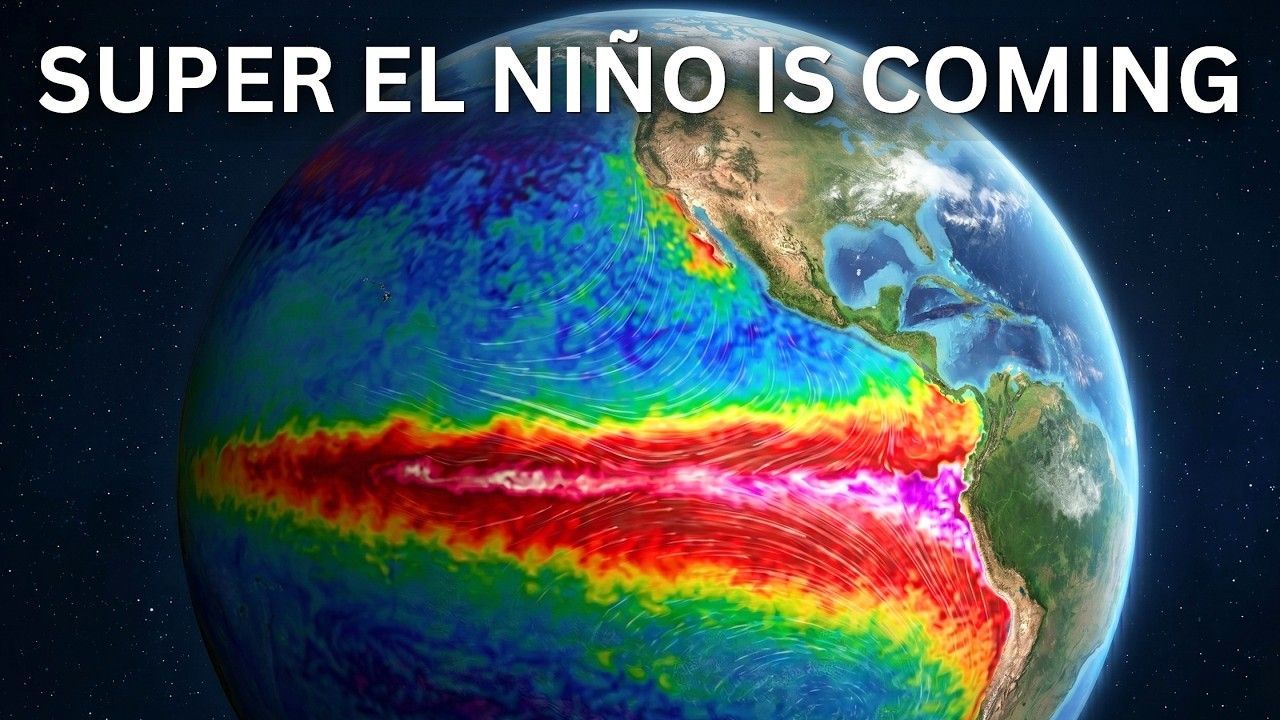
As the 2026 Atlantic hurricane season gets underway, meteorologists are closely watching a developing El Niño in the Pacific Ocean that could have major implications for tropical storm activity. While hurricane forecasts are never perfect, current projections suggest that El Niño may play a significant role in suppressing storm formation across the Atlantic this year.
Why El Niño Matters
El Niño occurs when sea surface temperatures in the central and eastern Pacific Ocean become warmer than normal. Although the phenomenon originates thousands of miles from the Atlantic, it has a powerful influence on global weather patterns.
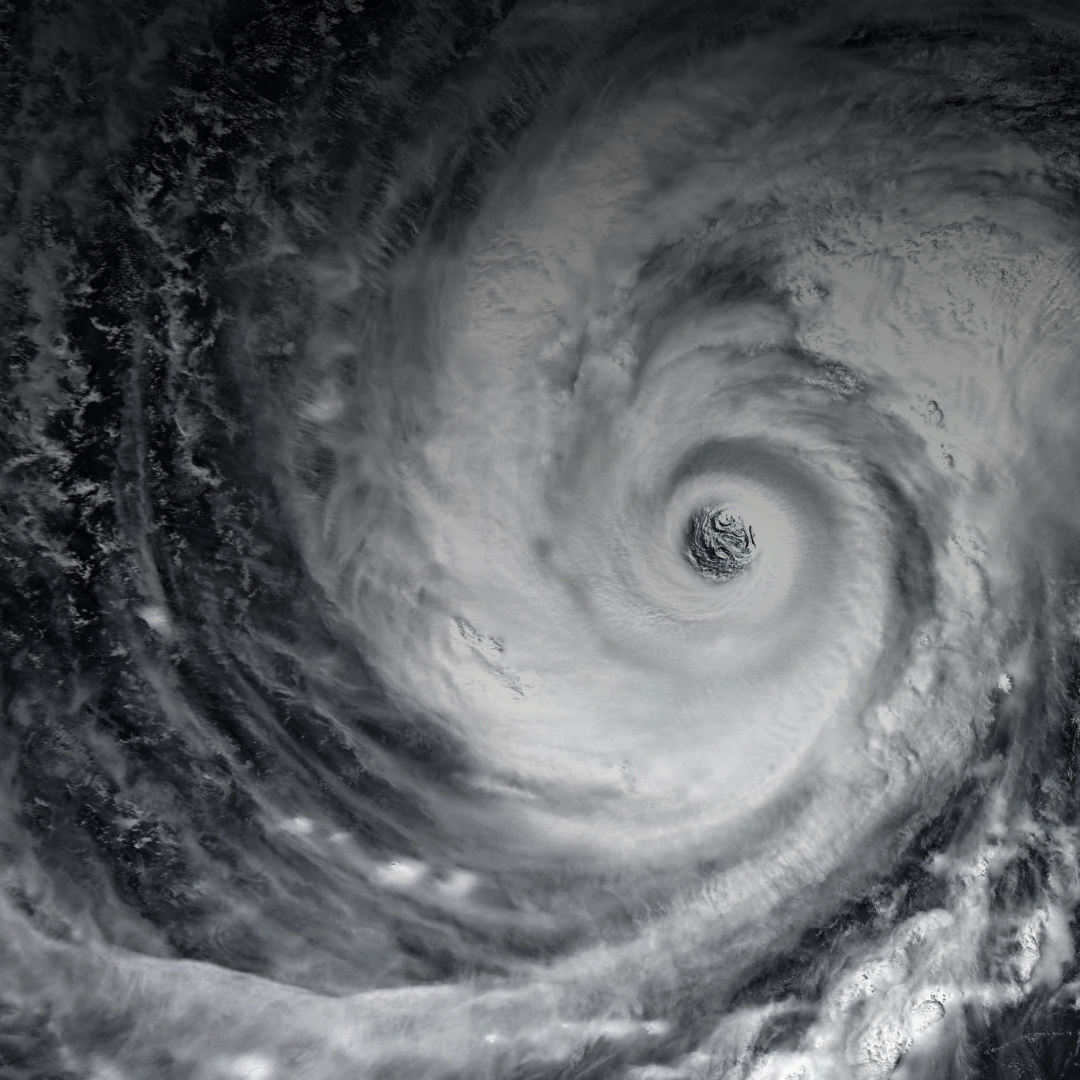
One of the most important effects for hurricane forecasting is increased vertical wind shear over the Atlantic Ocean. Wind shear refers to changes in wind speed and direction at different heights in the atmosphere. When wind shear is strong, it can disrupt developing tropical systems and prevent them from organizing into powerful hurricanes. NOAA and other forecasting agencies cite this as one of the primary reasons a developing El Niño often leads to fewer Atlantic storms.
A Potentially Quieter Atlantic Season
Current forecasts indicate a greater likelihood of a below-average Atlantic hurricane season compared to recent years. NOAA's outlook gives the highest probability to a below-normal season, with forecasters expecting fewer named storms and hurricanes than the historical average. The anticipated development of a moderate to strong El Niño is a major factor behind these projections.
For coastal residents who have endured several active hurricane seasons in recent years, that may sound like welcome news. However, a quieter season does not necessarily mean a safe season.
It Only Takes One Storm
One of the biggest misconceptions about hurricane forecasts is that fewer storms automatically translate into lower risk. In reality, a single hurricane can cause catastrophic damage if it strikes a populated area.
History has shown that destructive hurricanes can occur even during seasons that are classified as below average. Forecasters consistently remind the public that seasonal outlooks predict the total amount of activity across an ocean basin—not whether a particular city, county, or state will experience a direct hit.
Other Factors Could Still Fuel Storms
While El Niño tends to suppress hurricane formation, it is not the only factor influencing the season. Ocean temperatures in parts of the Atlantic remain relatively warm, and other atmospheric conditions may still support tropical development at times.
Because of these competing influences, experts caution that uncertainty remains. If El Niño develops more slowly than expected or its atmospheric impacts are weaker than forecast, hurricane activity could end up closer to average levels.
What Homeowners Should Do Now
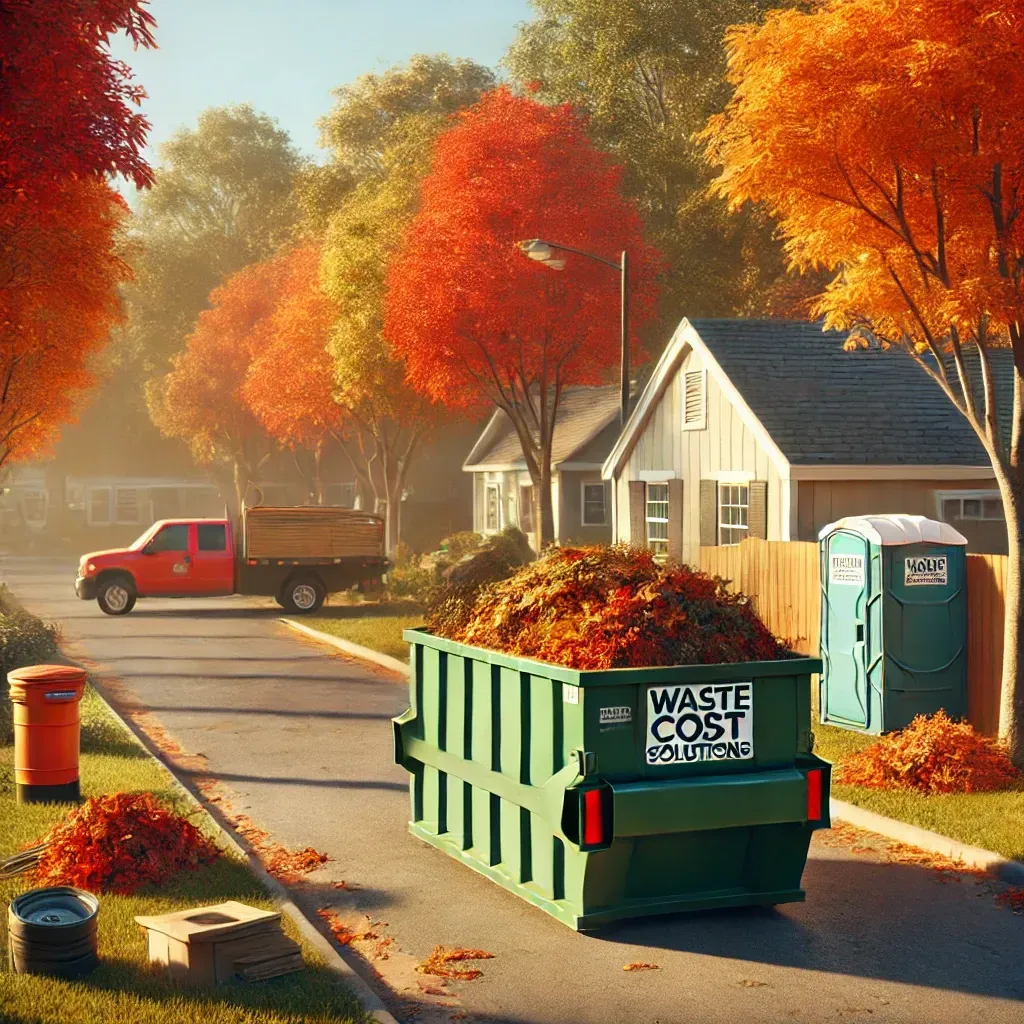
Whether the season ultimately proves active or quiet, preparation remains the best defense against hurricane damage. Homeowners should review insurance coverage, inspect roofs and drainage systems, trim vulnerable trees, and write down the name and number of a dumpster rental company , 800-509-5399(in case you lose access to the internet), before storms begin threatening their area.
Businesses and property managers should also evaluate cleanup and recovery plans, including debris removal strategies. After a major hurricane, fallen trees, damaged building materials, and flood-related waste can create significant cleanup challenges that require prompt action.